About Us

About khukhrains

Kashatriya Khukhrain Sabha Chandigarh

The Khukhrain (also spelled Khokhrain) community represents a distinguished subgroup within the broader Khatri community of Punjab. Known for their strong cultural identity, organisational unity, and contributions to social and economic life, the Khukhrains have played an important role in the historical development of the north-western regions of the Indian subcontinent.
Historically associated with the Punjab region, particularly the territories around the Salt Range between the Jhelum and Chenab rivers, the Khukhrains developed a distinctive community structure marked by defined clans, social customs, and traditions of leadership. Over time, the community expanded across various parts of northern India and beyond, while continuing to maintain a strong sense of collective heritage and identity.
Today, institutions such as the Kashatriya Khukhrain Sabha serve as important platforms for preserving this rich heritage, strengthening community bonds, and promoting social welfare and cultural continuity.

Historical Origins

The Khukhrain community is traditionally recognised as one of the prominent divisions of the Punjabi Khatri community, which historically occupied an important place in the social and economic structure of Punjab. Khatris were widely known for their roles in trade, administration, military service, and governance across different periods of Indian history.
Historical references suggest that the Khukhrains were primarily settled in regions that today lie within the Punjab area of the Indian subcontinent. Important centres historically associated with the community include Bhera, Khushab, Pind Dadan Khan, Chakwal, Lahore, and surrounding areas. These regions were significant trade and administrative centres during medieval times, and members of the Khukhrain community were actively involved in the economic and social life of these areas.
The town of Bhera, located in the Salt Range region, is often mentioned in historical records as an important settlement associated with Khukhrain families. Over centuries, the community established strong roots in this region, building a reputation for discipline, enterprise, and social organisation.
Historical narratives also indicate that Khukhrain groups played roles in resisting external invasions and maintaining regional stability during periods of political upheaval in northern India. These accounts have contributed to the community’s reputation for courage and resilience, values that continue to be emphasised within Khukhrain traditions.

The Ten Principal Clans

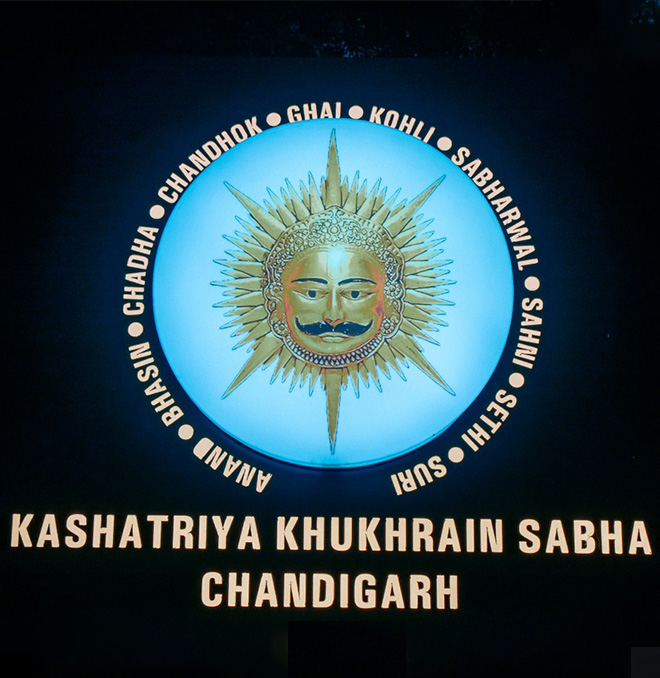
One of the defining characteristics of the Khukhrain community is its organisation into eight traditional clans. These clans have historically formed the core social structure of the community and continue to be recognised today.
The eight principal Khukhrain clans are:

Each clan developed its own lineage and family traditions while remaining closely connected to the broader Khukhrain identity. Historically, marriages were often arranged within these clans according to established community norms, which helped maintain social cohesion and a shared sense of heritage.
The surnames associated with these clans are widely recognised across India and the global Punjabi diaspora. Over time, members of these clans have achieved distinction in diverse fields such as business, education, governance, military service, science, and public life.

History

King Porus (Purushottam) was the legendary ruler of the Paurava Kingdom between the Jhelum and Chenab rivers, famously remembered for his heroic stand against Alexander the Great at the Battle of the Hydaspes in 326 BCE. In the cultural history of the Punjab, Porus is widely revered as an ancestral figure of the Khukhrain community, with genealogical traditions specifically linking him to the Sabharwal clan. Known for his immense stature and bravery, his legacy is defined by his dignified demand to be treated “like a king” after the battle, an act of defiance that earned him the respect of Alexander and solidified his status as a foundational icon of Punjabi sovereignty and warrior heritage.

Origin and Historical Background of Each Clan

Anand

The name “Anand” is derived from the Sanskrit word meaning joy or bliss. Historically, Anand families have been associated with administrative and scholarly roles within the Khatri framework.

Bhasin

The surname “Bhasin” is believed to originate from “Bhasma” or “Bhasin”, possibly indicating a learned or priestly association in earlier times, though within Khukhrains they were part of the broader Kshatriya-trading tradition.

Chaddha

“Chaddha” is considered to have evolved from regional linguistic roots in Punjab. Historical references associate Chaddha families with landholding and administrative roles in medieval Punjab.

Kohli

“Kohli” is often linked to the term “Koh” (mountain or region), suggesting geographical origins. Historically, Kohli families were known for adaptability in trade and governance.
Sabharwal

The surname “Sabharwal” is believed to be derived from a place name or clan settlement. Members of this clan have traditionally been active in business and commerce.

Sahni (Sawhney)

“Sahni” is widely believed to derive from “Senani”, meaning commander or general. This reflects the martial association often attributed to Khukhrain clans in historical narratives.

Sethi

“Sethi” is linked to the Sanskrit word “Shreshthi”, meaning chief, श्रेष्ठ व्यापारी (head trader or guild leader). Historically, Sethis were associated with trade leadership and financial roles.

Suri

“Suri” has been interpreted in some historical studies as meaning “brave” or “heroic”, and is also linked to notable historical lineages in North India.

Ghai

The surname “Ghai” is believed to have roots in Punjabi linguistic traditions, and the clan is widely recognised within Khukhrain social structures today. Historically, Ghai families have been associated with trade, administration, and modern professional fields.

Chandok

“Chandok” is thought to derive from “Chand” (moon) or may be linked to ancestral lineage naming traditions. Chandok families are recognised within extended Khukhrain affiliations and have contributed to business, public service, and diaspora communities.

Some Important and Famous Personalities

Dr. Manmohan Singh

Dr. Manmohan Singh (1932–2024), the 13th Prime Minister of India, has roots deeply connected to the Khukhrain community, a group of Punjabi Sikh and Hindu clans hailing from the Peshawar and Chakwal regions of undivided Punja

Teji Suri Bachchan

Teji Bachchan (née Teji Suri; 12 August 1914 – 21 December 2007) was a prominent social activist, amateur actor, and the mother of Bollywood actor Amitabh Bachchan. Born into a Punjabi Sikh family, her background was deeply rooted in the Khukhrain community of Lyallpur (now Faisalabad, Pakistan), a group known historically as elite traders, administrators, and military professionals

Dr. Adarsh Sein Anand

Dr. Adarsh Sein Anand (1936–2017) was a distinguished Indian jurist who served as the 29th Chief Justice of India (1998–2001) and was a prominent member of the Anand clan, one of the eight foundational sub-clans of the Khukhrain Biradari (a fraternity of Kashmiri Hindu Khatri origin).

F. C. Kohli

Faqir Chand (F.C.) Kohli (1924–2020) was a towering figure in the Indian IT industry and a prominent member of the Khukhrain Punjabi Hindu Khatri community. He is widely recognized as the “Father of the Indian IT Industry” and was the co-founder and first CEO of Tata Consultancy Services (TCS)Purab Kohli – actor known for films and OTT series.

Richa Chadha

Richa Chadha is identified as a prominent actress from the Chadha clan, which is one of the eight sub-clans comprising the Khukhrain (or Khokhrain) community

Smita Sabharwal

one of India’s most well-known IAS officers.

Lata Sabharwal

famous TV actress.

Yogesh Kumar Sabharwal –

former Chief Justice of India.

Viswanathan Anand

former World Chess Champion and one of India’s most respected global icons.

Virat Kohli

legendary Indian cricketer and former captain of India.

Taruwar Kohli

Indian cricketer.

Cultural and Social Traditions

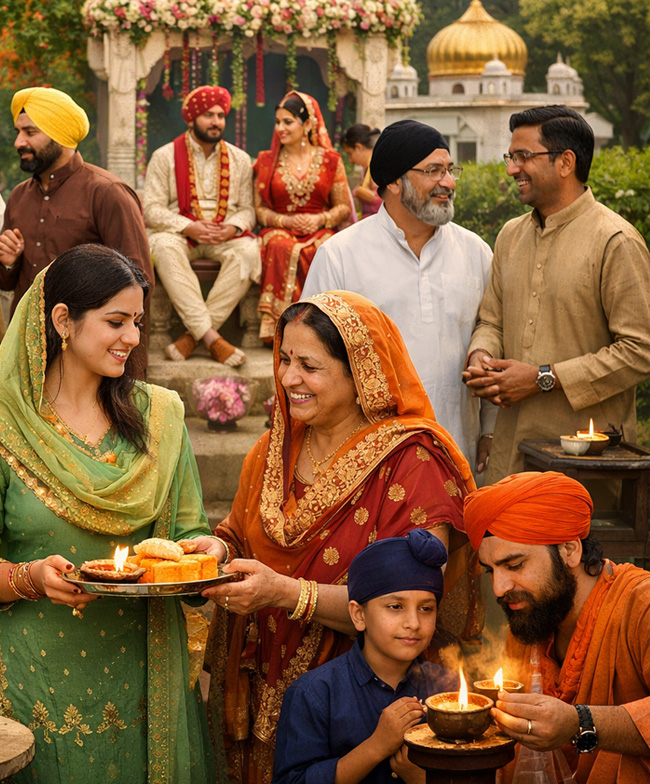
The Khukhrain community has long been recognised for its strong emphasis on education, entrepreneurship, discipline, and social responsibility. These values have shaped the community’s cultural outlook and have contributed to its success in various professional and commercial fields.
Family ties and community networks have traditionally played an important role in maintaining social cohesion. Community organisations, family gatherings, and cultural events have helped preserve traditions while adapting to changing times.
Members of the Khukhrain community have historically been known for their adaptability and leadership qualities. Throughout different historical periods, they participated in trade networks, administrative roles, and professional occupations across northern India.
Religious and cultural diversity has also been a feature of the community. Over time, Khukhrain families have followed different religious traditions, including Hinduism and Sikhism, while maintaining shared cultural and historical roots.

Migration and Expansion

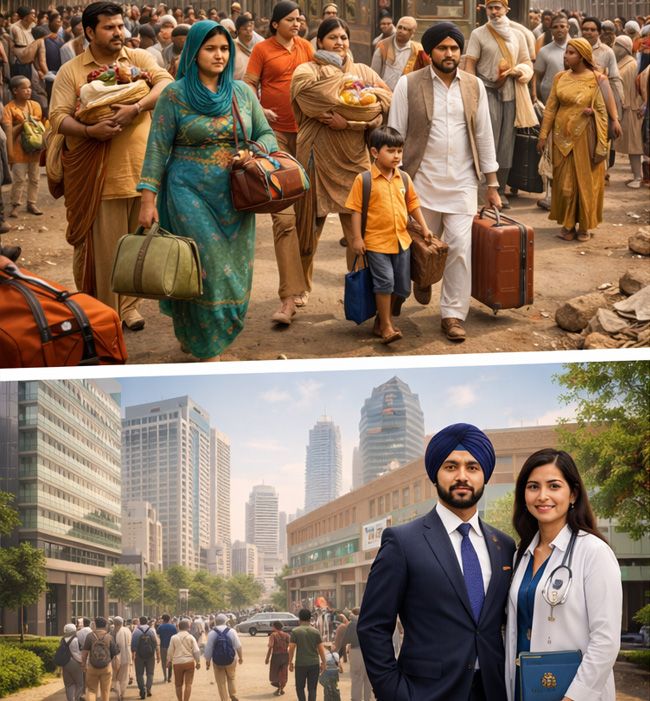
The political changes of the twentieth century, particularly the Partition of India in 1947, significantly impacted many Khukhrain families who were settled in regions that became part of present-day Pakistan. Large numbers of families migrated to India, resettling in cities such as Delhi, Punjab, Haryana, Himachal Pradesh, and other parts of the country.
Despite the challenges of displacement and resettlement, the community demonstrated remarkable resilience and adaptability. Through hard work, entrepreneurship, and mutual support, Khukhrain families rebuilt their lives and contributed significantly to the economic development of their new homes.
In the decades that followed, many members of the community also migrated internationally, creating a global diaspora. Today, Khukhrain families can be found in countries across North America, Europe, the Middle East, and Asia, continuing to uphold their traditions while contributing to their adopted societies.

Community Organisations and Social Service

Community organisations such as the Kashatriya Khukhrain Sabha play an important role in maintaining unity and promoting the welfare of the community. These institutions provide platforms for social interaction, cultural preservation, and charitable activities.
Through various initiatives, the Sabha works to:
Promote cultural heritage and community traditions
Encourage educational advancement among youth
social welfare activities
Strengthen connections among Khukhrain families across regions

Preserve historical knowledge about the community

Such organisations also help foster a sense of belonging among younger generations, ensuring that the community’s legacy and traditions continue to thrive in the future.

Legacy and Future

The history of the Khukhrain community reflects a journey marked by resilience, enterprise, and unity. From their historical roots in the Punjab region to their presence across India and around the world today, the community has maintained a strong sense of identity while adapting to changing circumstances.
The values of integrity, leadership, education, and service to society continue to guide the Khukhrain community. Through collective efforts and community institutions, these traditions are being preserved and passed on to future generations.
The Kashatriya Khukhrain Sabha remains committed to strengthening these bonds, celebrating the rich heritage of the community, and working towards a future built on shared values and collective progress.